

When I first started trying to take better care of myself — as a woman nearing 40, fresh off a decade of high-octane startup life — I assumed it’d be straightforward.
I’d figure out how to eat, work out, get into a routine… and we’d be off to the finish line.
But that’s not what happened. I’d stick with it for a while, then drift back into old habits: Late-night snacks, skipped workouts (even the perfectly planned ones), “forgetting” to journal despite knowing it made my day go better.
I’ve always been fascinated by science and wanted to understand why I have such a hard time sticking to the plans I carefully made and fully committed to only a month ago. So I started investigating:
What actually makes habits stick? And why do we keep doing things we don’t even want to be doing?
Turns out, our brains aren’t wired for our goals.
They’re wired for what’s safe, easy, and familiar, even if it’s not what we want.
The brain is a prediction machine
The more I read, the more one idea kept showing up: The brain is a prediction machine.
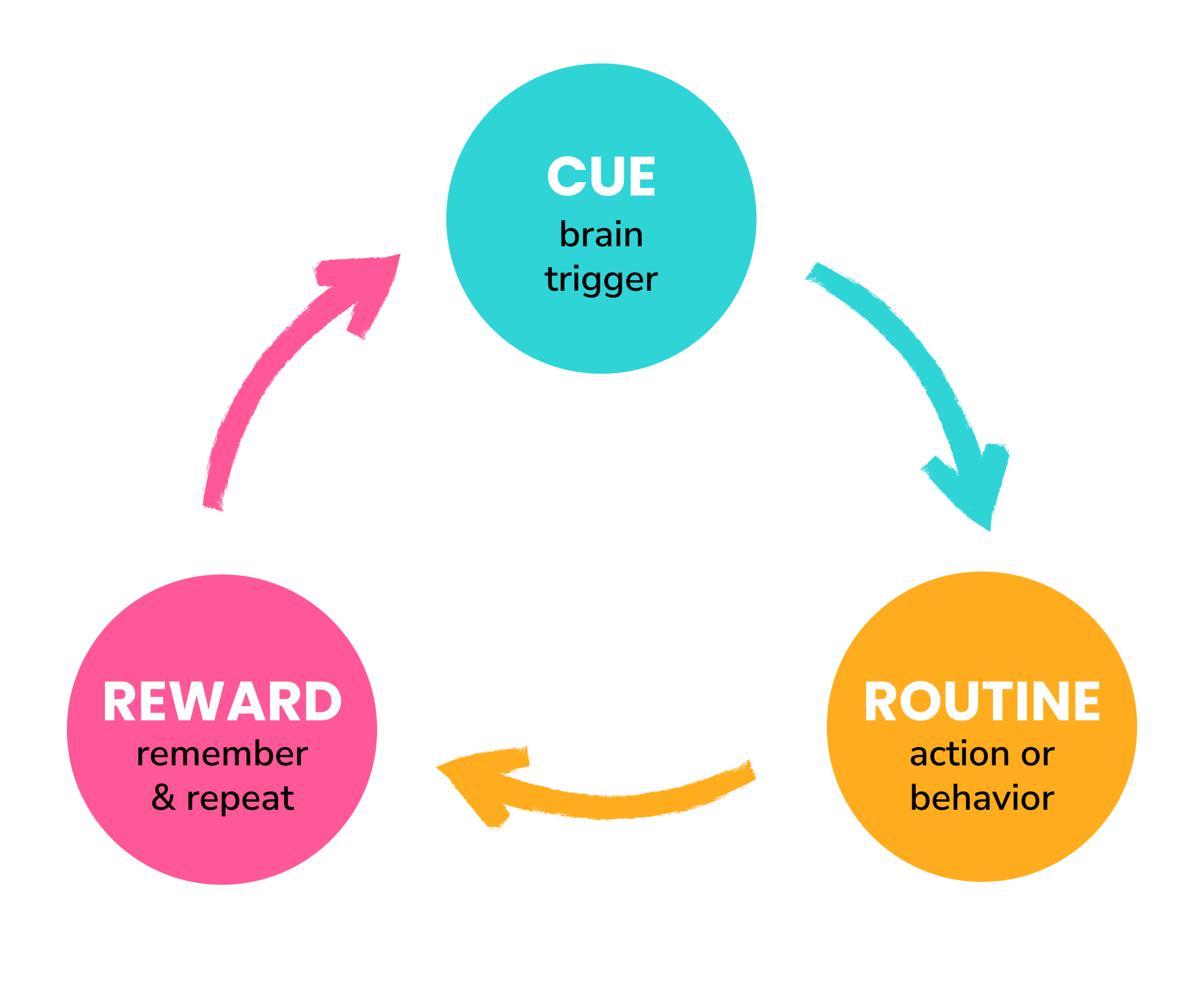
Its primary job is to keep us alive, with as little effort as possible. When something feels good, or just familiar, the brain takes note. And repeats it. That’s how habits form: repetition, expectation, and pattern-matching.
Which is exactly why we often feel like we’re running on autopilot. When there’s a choice between going for a walk or opening Instagram, going to bed early or watching one more episode, the brain almost always picks the one it knows best. Just because it’s easier to predict. Sucks, right?
So what actually helps?
If we know that our brains are wired for repetition, the question becomes: How do we work with that?
Here’s what I’ve found helpful (and what’s backed by the science):
1. Make the first step easy
If the brain resists anything unfamiliar, we have to lower the bar.
We can’t leap from being a couch potato to daily workouts, but we can commit to a 30-minute walk. For me, instead of chasing a perfect strength routine (which I didn’t enjoy), I allowed myself to do just three exercises, 2–3 times a week.
The easier it feels, the less likely the brain is to fight us on it.
2. Pair the habit with something you already do
One way to make new behaviors stick is to anchor them to routines we already have. This taps into how the brain forms associations:
“After I make coffee, I journal.”
“Before I brush my teeth, I do stretching.”
The new habit piggybacks on the existing one, so we don’t need to rely on memory or motivation to start. This technique (often called habit stacking) is surprisingly effective, especially for things we tend to forget or avoid.
3. Add friction to the old pattern
To break a habit, we have to make it harder to “fall into”, like deleting Instagram or finding alternatives to snacking on the couch (knitting anyone? 😅)
Honestly, I still struggle with this one the most. Those old habit loops run deep. But this isn’t about getting it perfect, it’s about slowing things down enough to notice what’s happening.
And noticing is the first step to choosing differently.
4. Reflect, don’t judge
One thing I’ve had to learn (and re-learn): the goal isn’t perfection — it’s awareness. Instead of “why did I mess up,” I learned (or am learning 😅) to ask:
How could I make this habit easier or more enjoyable?
What triggered the autopilot moment?
What might help next time?
Judgment makes it impossible to change. Reflection keeps new possibilities open.
The good news: your brain can change
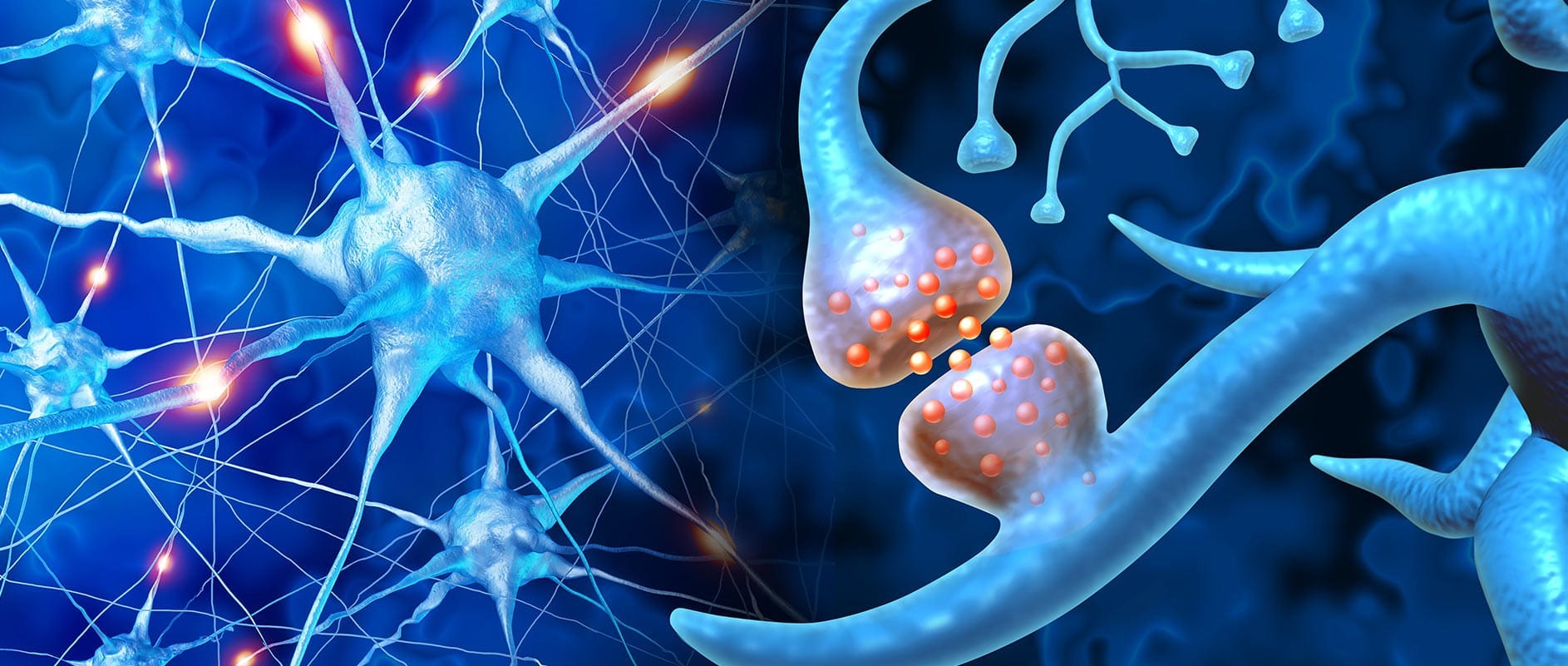
This is where neuroplasticity comes in. Our brains aren’t static. They’re always rewiring based on what we repeat.
Every time we take a small new action, we’re sending a new signal. And with enough repetition, that signal becomes a new default. It’s about consistently showing our brain something different.
Most of us don’t need more willpower. We need better cues. Lower friction. More self-awareness. And the patience to let new patterns settle in.
—
We’re in the early days of building something we wish we had — a tool that helps people actually follow through on goals they care about, by working with their brain rather than against it. It’s called SwitchUp.
If you’re trying to build a new habit — or let go of one that’s not serving you — we’d love to hear about it.
Just leave a comment here or get on a call. We’d love to hear what you’ve been working on, what’s been challenging, or what’s actually helped.
Every bit of insight helps as we shape what comes next.